Russia Fuel Shortages Deepen as Ukraine Hits Refineries
Russian fuel shortages are spreading as Ukrainian strikes disrupt refineries, forcing regional rationing, fuel limits and increased imports.
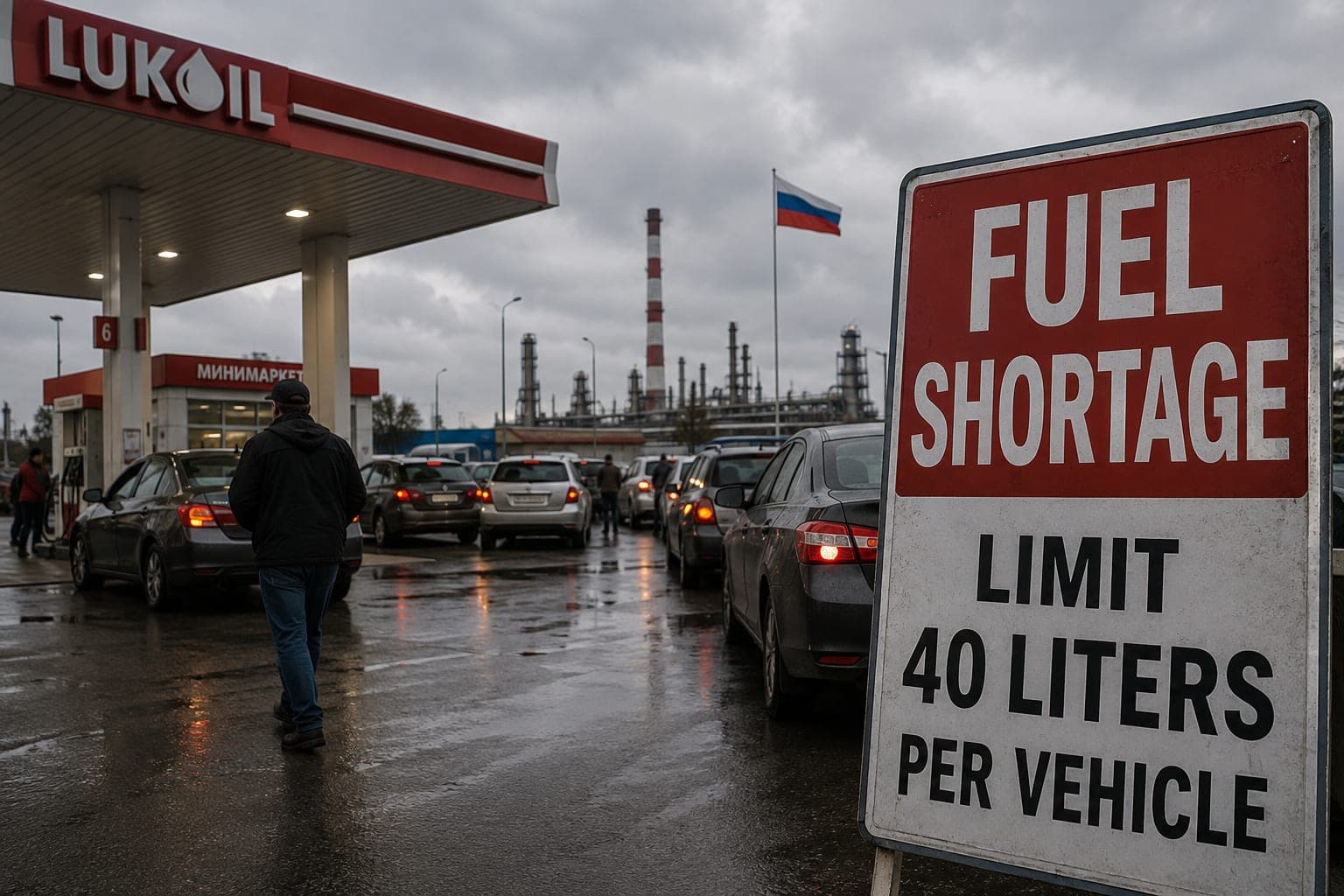
Russia Fuel Shortages Deepen as Refinery Attacks Spread
Repeated Ukrainian drone attacks on Russian oil refineries have sparked fuel shortages that are spreading rapidly. Regional authorities are scrambling to protect local supplies. Kaluga, near Moscow, is preparing to introduce fuel rationing based on license plates, while Astrakhan has limited purchases to 40 liters per vehicle and restricted some gas-station operations. The impact of these attacks is now being felt beyond individual refineries, affecting Russia's wider fuel distribution network.
Why Russia Fuel Shortages Are Returning
The issue is not a lack of crude oil. Russia still produces large volumes of crude, but refining it into usable products like gasoline and diesel requires functioning refineries. Repeated strikes have damaged equipment, forcing plants to undergo unplanned maintenance, which reduces the fuel available for domestic consumption.
The latest disruption is significant because the Orsk refinery in Orenburg was forced to shut down completely after a Ukrainian drone strike. Regional Governor Yevgeny Solntsev said repairs could take up to six months due to the need for imported equipment and the complications caused by sanctions. This refinery has an annual crude-processing capacity of about 6 million metric tons and produces gasoline, diesel, and aviation fuel.
Refinery Damage Is Turning Into a Distribution Problem
The effects of the refinery damage are becoming visible far beyond the attacked sites. Russian seaborne oil-product exports fell 33.3% in July from June and were down 54.7% from a year earlier, as refinery outages reduced production and export volumes. Black Sea and Azov Sea fuel shipments alone fell 49% month over month.
This creates a difficult balancing problem for Moscow. Fuel can be redirected from one region to another, but each diversion reduces the buffer available elsewhere. This explains why regional governments are turning to rationing rather than waiting for normal supplies to return. License-plate schedules and per-vehicle limits are effective ways to slow panic buying and stretch inventories.
Russia Is Increasing Imports to Fill the Gap
Moscow has turned to outside suppliers despite being one of the world's largest oil producers and exporters. Belarus significantly increased fuel shipments to Russia in July, with gasoline deliveries by rail reaching 212,000 metric tons and diesel deliveries reaching 162,000 tons. Russia has also begun importing gasoline from India, Kazakhstan, and Morocco.
This shift is strategically important. Russia is exporting less refined fuel while importing replacement supplies, reversing part of its normal energy trade economics. Reports in August indicated that Russia received gasoline from India, highlighting how refinery disruptions can force an energy exporter to compete for refined products in international markets.
What the Fuel Crunch Means for Russian Markets
The biggest risk for Russian markets is not just higher gasoline prices. Persistent shortages can raise transportation costs, complicate agricultural and industrial activity, and increase pressure on the government to subsidize or tightly manage domestic fuel supplies. Refinery disruptions can also squeeze export earnings because Russia has fewer refined products to sell abroad.
The situation illustrates why refinery capacity matters as much as crude production during a prolonged disruption. A country can have abundant oil underground and still experience fuel shortages if processing capacity, spare parts, transport routes, or regional inventories become constrained. Russia's current experience is a clear example of this vulnerability.
The Bigger Market Risk Is Prolonged Refinery Disruption
The outlook depends heavily on how quickly damaged Russian refineries can return to service and whether Ukraine continues targeting Russia's energy infrastructure. If outages remain temporary, imports, domestic redistribution, and export restrictions can help stabilize the market. However, if major facilities remain offline for months, the pressure will become harder to contain because repairs, replacement equipment, and logistics all take time.
For energy markets outside Russia, the effects can extend beyond Russian motorists. Lower Russian refined-product exports remove supply from international markets at a time when global fuel markets are sensitive to geopolitical disruptions. Refinery availability, rather than crude production alone, is becoming a critical variable for gasoline and diesel prices.