US Plans Fresh Strikes on Iran: Why the Strategy Is Changing
The United States is reportedly preparing new military strike options against Iran as President Trump signals a tougher stance following stalled diplomacy. Here's why the plans matter, what targets are being considered, and how renewed escalation could affect regional security, oil markets, and global geopolitics.
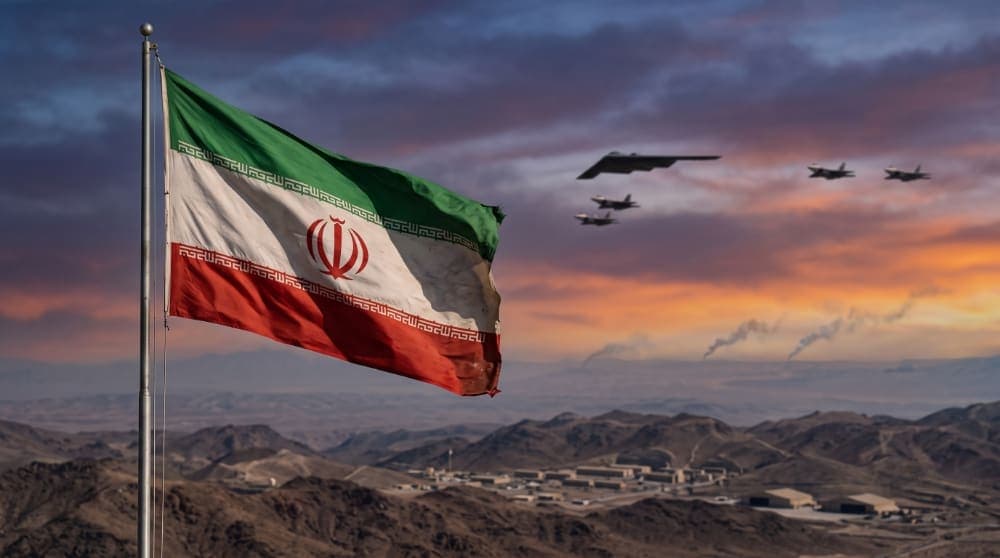
Why the US Is Considering Fresh Strikes on Iran
The United States is preparing for possible military strikes on Iran as soon as this weekend, according to multiple reports citing U.S. officials. President Donald Trump has signaled a tougher military approach after expressing frustration with stalled diplomacy. U.S. Central Command has drawn up options ranging from attacks on missile infrastructure to broader operations targeting strategic military facilities. The renewed planning reflects Washington's belief that additional military pressure could force Tehran back into negotiations.
"We will be hitting them very hard. At some point, they're going to say, 'We just can't take it anymore.'" -- President Donald Trump, speaking at a Cabinet meeting.
Officials familiar with the planning say the exact scope of any operation has not been finalized and could still be canceled. Military options reportedly include strikes against missile launch sites, nuclear-related infrastructure, and other strategic assets. While some discussions have included Iran's energy facilities, U.S. policymakers remain cautious because attacks on oil infrastructure could trigger retaliation against Gulf energy producers and disrupt global oil markets.
Why Diplomacy Has Given Way to Military Pressure
The latest military planning comes after months of deteriorating relations between Washington and Tehran. U.S. officials argue that previous diplomatic efforts failed to curb Iranian military activity or reduce regional tensions. Trump's public comments suggest the administration now believes that demonstrating overwhelming military capability may be more effective than continued negotiations. Officials continue to leave open the possibility that Iran could avoid further strikes by returning to meaningful negotiations.
This reflects a broader pattern in U.S. strategy toward Iran. Successive administrations have alternated between sanctions, diplomatic engagement, and military deterrence. The current approach appears to rely on combining military pressure with diplomatic efforts rather than pursuing regime change as an explicit objective. Whether that strategy succeeds depends largely on how Iranian leaders assess the costs of continued confrontation versus renewed talks.
Why Energy Infrastructure Matters So Much
One of the most significant debates inside the administration reportedly concerns Iran's energy sector. Oil exports remain one of Tehran's most important economic lifelines, making energy facilities attractive military targets. Yet those same facilities are closely tied to global energy security. Any disruption could affect shipping through the Strait of Hormuz, a critical maritime corridor for global oil supplies, potentially driving higher energy prices and increasing inflationary pressures worldwide.
U.S. officials have reportedly resisted approving attacks on Iranian energy infrastructure despite calls from some Israeli leaders for broader economic pressure. From Washington's perspective, damaging Iran's oil industry could impose costs on Tehran, but it also raises the possibility of retaliatory attacks against Gulf producers or commercial shipping that would have consequences well beyond the Middle East.
The Nuclear Dimension Remains Central
Reports indicate that military planners have examined options involving Iranian nuclear infrastructure, including facilities believed to support uranium enrichment and related programs. Such planning underscores that Iran's nuclear capabilities remain at the center of U.S. security concerns. American officials argue that preventing Iran from expanding its nuclear program is a core strategic objective, while Tehran maintains that its nuclear activities are intended for civilian purposes.
Striking nuclear-related facilities would carry significant military and diplomatic consequences. Such operations could delay technical capabilities, but they also risk encouraging further escalation, reducing prospects for future negotiations, and drawing additional regional actors into the conflict.
What Fresh US Strikes on Iran Could Mean Next
Whether the planned strikes ultimately occur remains uncertain. Officials have emphasized that the options are still under review and that political or diplomatic developments could alter the decision. Even if military action proceeds, it would likely represent another phase in a broader strategy rather than a decisive conclusion to the confrontation. The larger question is whether increased military pressure can produce a negotiated outcome or whether it will deepen an already volatile regional conflict with consequences for global energy markets, international security, and U.S. foreign policy.